
Cancer remains a significant public health challenge in South Carolina. Yet not all patients receive treatment after a cancer diagnosis. Whether due to poor health, treatment refusal, or other systemic barriers, these gaps underscore the urgent need for equitable cancer care.
The SC-CPCRN IV is committed to reducing these health disparities by improving how evidence-based cancer prevention and control strategies are adopted, implemented, and sustained in real-world settings.
Community Engagement
The SC-CPCRN IV's research priority, aligned with the Centers for Disease Control and Prevention (CDC), is to reduce the burden of cancer by increasing the use of effective public health and clinical interventions among populations that experience the greatest cancer disparities, including African Americans and rural communities in South Carolina. Our work is grounded in community-engaged and community-based participatory research, with community members, healthcare providers, the South Carolina Cancer Alliance (SCCA), and other partners serving as active collaborators in identifying priorities, developing solutions, and expanding evidence-based cancer prevention and control strategies.
Data-Driven Solutions
Our partnerships are strengthened by data that identify where cancer disparities are greatest and guide our research and implementation efforts. Working with the SCCA and other partners, we have documented persistent disparities in cancer incidence and mortality and used these findings to develop, evaluate, and expand interventions that address local needs. Racial disparities in cancer incidence and mortality in South Carolina remain among the largest in the nation and, for some cancers, among the highest in the world, underscoring the need for evidence-based, community-informed solutions.
For more information on SC-CPCRN IV, contact Dr. Swann Adams or Lirinda Hajdini.
Meet the team
-
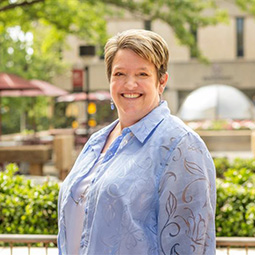
Swann A. Adams, PhD, MS, FACE
Professor, College of Nursing
-
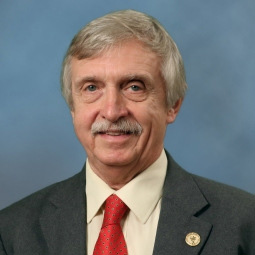
James R Hébert, ScD
Health Sciences Distinguished ProfessorDirector, South Carolina Statewide Cancer Prevention and Control Program
-
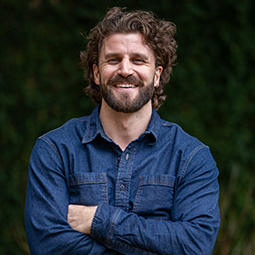
Ciaran Fairman, PhD, CSCS, CET
Assistant Professor, Excercise Science, Arnold School of Public Health
-
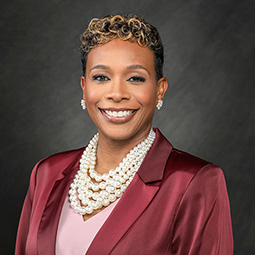
Tisha M. Felder, PhD, MSW
PPFRC Interim Co-Director & Associate Professor, College of Nursing
-
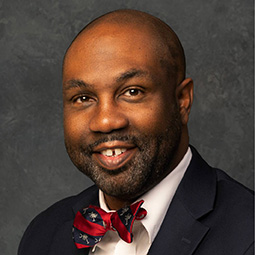
Shaun Owens, PhD, MPH
Associate Professor, College of Social Work
-

Karen E. Wickersham, PhD, RN
Assistant Dean for Research & Associate Professor, College of Nursing
-

Lauren Workman, PhD, MPH
Research Associate Professor, Center for Applied Research & Evaluation
-
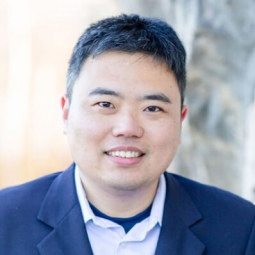
Chih-Hsiang "Jason" Yang, PhD
Associate Professor, Excercise Science / TecHealth Center, Arnold School of Public Health
-
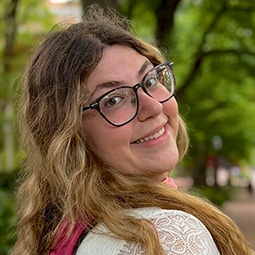
Lirinda Hajdini, MPH
Program Coordinator, College of Nursing